Advanced Health Monitoring in Smartwatches: Past, Present, and Future
Prelude
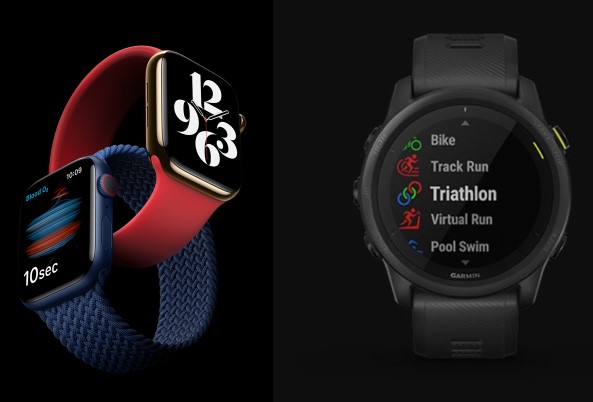
In the past decade, smartwatches have evolved from simple notification devices to comprehensive health monitoring tools. From tracking steps and heart rate to monitoring sleep patterns and stress levels, smartwatches have become increasingly sophisticated in their ability to monitor our health. In this blog post, we'll take a closer look at the past, present, and future of advanced health monitoring in smartwatches, with a focus on the two major players in this space: Garmin and Apple.
The Past: Basic Health Monitoring
The first generation of smartwatches, such as the original Pebble and Samsung Galaxy Gear, focused primarily on basic health monitoring features like step tracking and heart rate monitoring. While these features were useful, they were limited in their ability to provide meaningful insights into our overall health.
Garmin, a company that has been producing GPS and fitness-focused wearables for over a decade, was one of the first companies to introduce more advanced health monitoring features into their devices. In 2014, Garmin released the Forerunner 920XT, which included features like VO2 max estimation and recovery advisor. These features provided runners with more detailed insights into their training and recovery, beyond basic step tracking.
Apple, on the other hand, entered the smartwatch market in 2015 with the release of the Apple Watch. While the first generation of the Apple Watch was primarily focused on notifications and basic health tracking, subsequent models introduced more advanced health monitoring features like heart rate variability, fall detection, and electrocardiogram (ECG) monitoring.
The Present: Advanced Health Monitoring
Today's smartwatches are much more than just fitness trackers. They offer a range of advanced health monitoring features that allow users to track and manage their health in real-time. Some of the most notable health monitoring features in smartwatches today include:
-
ECG Monitoring: The Apple Watch Series 4 and later models include an ECG sensor that can detect irregular heart rhythms and provide notifications to the user.
-
Blood Oxygen Monitoring: Many smartwatches, including the Garmin Venu 2 and Venu 2S, can measure blood oxygen levels, which can be an important indicator of respiratory and cardiovascular health.
-
Sleep Tracking: Smartwatches with sleep tracking features can monitor the duration and quality of a user's sleep, providing valuable insights into their overall health and well-being. Garmin's latest smartwatches, including the Venu 2 and 2S, offer advanced sleep tracking capabilities such as sleep score and sleep stage tracking.
-
Stress Monitoring: Some smartwatches can monitor a user's stress levels using a combination of heart rate variability, breathing rate, and other biometric data. Garmin's Venu 2 and 2S offer stress tracking with a relaxation breathing timer to help users manage stress.
-
Fall Detection: Certain smartwatches, including the Apple Watch and Samsung Galaxy Watch, can detect falls and send alerts to emergency contacts if necessary. With Apple recently updating their accelerometers to which are capable of withstanding 256G, enough to report if the user was involved in a severe car crash.
The Future: Personalized Health Monitoring
As smartwatch technology continues to advance, we can expect to see even more sophisticated health monitoring features in the future. One of the most exciting areas of development is personalized health monitoring, which involves using machine learning and artificial intelligence algorithms to provide tailored health recommendations based on a user's unique biometric data.
Garmin and Apple are both investing heavily in the development of personalized health monitoring features. Garmin's latest smartwatches, including the Venu 2 and 2S, offer features like health snapshots, which provide users with an overview of their biometric data over time, as well as insights into their overall health. Additionally, Garmin has recently announced that they aquired Firstbeat, a company that specializes in physiological analytics, to develop advanced health insights for their wearables. Firstbeat algorithms are used across a wide range of smartwatch brands including Amazfit, Casio, Huawei, Suunto, and Xiaomi.
Similarly, Apple has been working on developing more personalized health monitoring features for their Apple Watch. In 2020, they introduced the "Family Setup" feature, which allows users to set up an Apple Watch for a family member who doesn't have an iPhone, such as a child or elderly parent. The feature includes location tracking, activity tracking, and emergency SOS, providing peace of mind for family members who want to keep tabs on their loved ones' health and well-being.
In addition to personalized health monitoring, we can also expect to see continued improvements in the accuracy and reliability of health monitoring features in smartwatches. For example, companies like Garmin and Apple are exploring the use of optical sensors to measure blood glucose levels, which could be a game-changer for people with diabetes who currently have to rely on fingerstick tests.
Conclusion
The past, present, and future of advanced health monitoring in smartwatches is an exciting area of development for both Garmin and Apple. From basic step tracking to sophisticated personalized health monitoring, smartwatches have come a long way in the past decade. With continued advancements in technology and the use of artificial intelligence and machine learning, we can expect to see even more sophisticated health monitoring features in the future. Whether you're a fitness enthusiast or just someone who wants to stay on top of their health, a smartwatch with advanced health monitoring capabilities can be an invaluable tool for tracking and managing your overall well-being.