Laymans guide to Bioinformatics
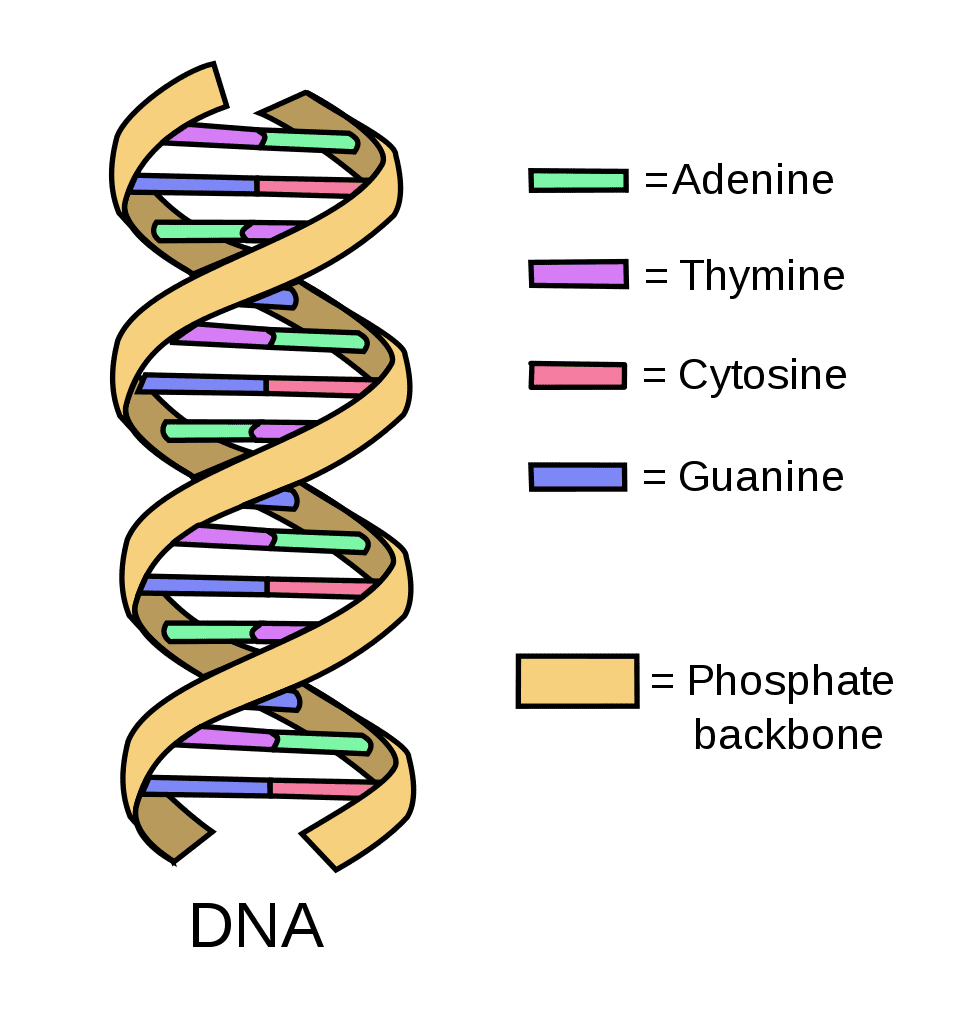
Have you ever wondered how scientists make sense of the vast amounts of genetic data generated by modern technologies? Or how doctors can use genetic information to tailor treatments to an individual's specific needs? The answer lies in the field of bioinformatics.
Bioinformatics is the use of computational tools to analyze and interpret biological data. This includes genetic, genomic, and proteomic data, as well as data from other biological experiments. By using algorithms and statistical models, bioinformaticians can uncover patterns and relationships in complex datasets that would be impossible to see with the naked eye.
One of the most important applications of bioinformatics is in the field of genomics. Genomics is the study of an organism's entire genetic makeup, including all of its DNA. In recent years, advances in sequencing technology have made it possible to sequence the genomes of large numbers of organisms, from humans to bacteria. But with all this data comes a challenge: how do we make sense of it all?
Bioinformaticians have developed a variety of tools and techniques to analyze genomic data. One of the most important is genome assembly, which involves piecing together short sequences of DNA to reconstruct an entire genome. This is a complex process that involves comparing overlapping sequences and using algorithms to fill in gaps.
Another important application of bioinformatics is in the field of gene expression analysis. Gene expression is the process by which information encoded in genes is used to create proteins, which are the building blocks of cells. By analyzing gene expression data, scientists can gain insights into how different genes are turned on or off in response to different stimuli. This can be particularly useful in understanding the molecular basis of diseases like cancer, which often involve changes in gene expression patterns.
Bioinformatics is also playing an increasingly important role in personalized medicine. By analyzing an individual's genetic data, doctors can identify genetic variants that may affect their response to particular drugs. This can help them choose the most effective treatment for a particular patient, while minimizing the risk of side effects.
Of course, bioinformatics is not without its challenges. One of the biggest is the sheer volume of data that needs to be analyzed. This requires powerful computing resources, as well as sophisticated algorithms and statistical models. Another challenge is the need to integrate data from different sources, including genomic, proteomic, and clinical data.
Despite these challenges, bioinformatics has become an essential tool in modern biology and medicine. It has revolutionized the way we understand genetics and is helping to usher in a new era of personalized medicine. As we continue to generate more and more biological data, the importance of bioinformatics is only going to increase.